
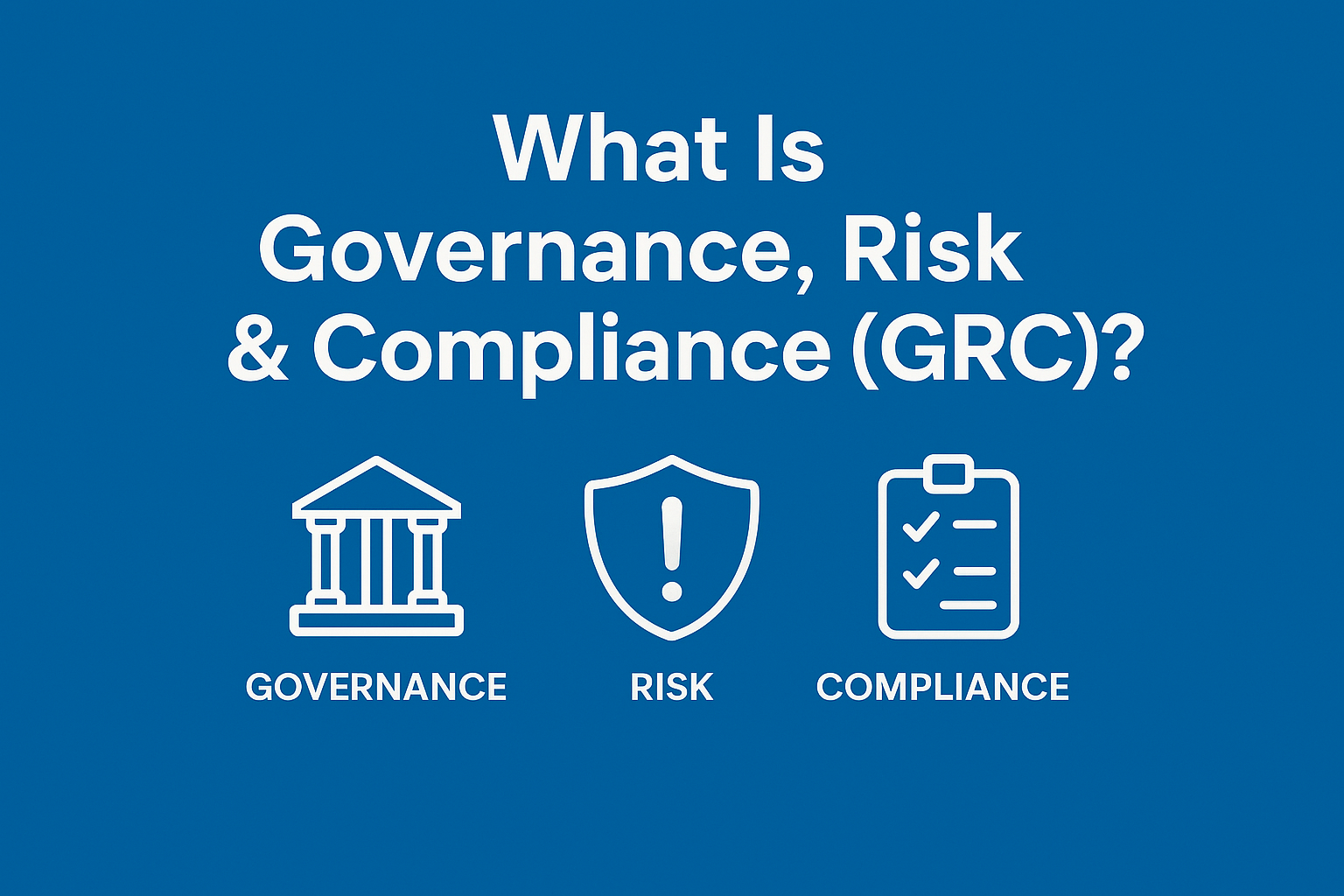
In an era of increasing regulatory scrutiny and digital threats, Governance, Risk and Compliance (GRC) has become a cornerstone of responsible business practice. Whether you’re in a housing association, SME, or public sector body, understanding GRC is essential for safeguarding data, ensuring legal compliance, and building operational resilience.
Defining GRC
Governance
Governance refers to the frameworks and decision-making structures that guide how an organisation is run. It ensures accountability, transparency, and alignment with strategic goals.
Risk Management
Risk Management involves identifying, assessing, and mitigating potential threats—ranging from financial and reputational risks to cybersecurity vulnerabilities.
Compliance
Compliance ensures that an organisation adheres to relevant laws, regulations, and internal policies. In the UK, this includes standards such as GDPR, ISO27001, and sector-specific guidance from bodies like the Regulator of Social Housing (RSH).
Together, GRC provides a unified approach to managing uncertainty, maintaining ethical standards, and protecting sensitive information.
Why GRC Matters for Data Protection and Cybersecurity
Implementing a GRC strategy helps organisations:
Strengthen Data Protection
Align with GDPR, DPA 18 and the upcoming Data (Use and Access) Bill and reduce the risk of data breaches.
Improve Cybersecurity Posture
Identify vulnerabilities and implement controls.
Enhance Regulatory Readiness
Prepare for audits and demonstrate compliance.
Build Stakeholder Trust
Show commitment to ethical governance and transparency.
Best Practices for GRC Implementation
1. Establish Clear Governance Policies
Define roles, responsibilities, and escalation paths.
2. Conduct Regular Risk Assessments
Use tools to monitor threats and update controls.
3. Integrate Compliance into Daily Operations
Make it part of culture, not just paperwork.
4. Leverage Technology
Use GRC platforms to centralise reporting and automate workflows.
5. Train Staff Continuously
Ensure teams understand their role in protecting data and maintaining compliance.
Why UK Organisations Need GRC Support in 2025
1. Complex Regulatory Environment
UK organisations must comply with a growing list of regulations, including:
- UK GDPR and Data Protection Act 2018
- Data (Use and Access) Act 2025
- ISO/IEC 27001:2022 for information security
- ISO 42001 and the EU AI Act for AI governance
- FCA Handbook for financial services
- RSH Standards for housing associations
Without expert GRC help, staying compliant can be overwhelming.
2. Cybersecurity Threats Are Rising
From ransomware to phishing, cyber threats are evolving. GRC frameworks help organisations:
- Identify vulnerabilities
- Implement controls
- Respond to incidents
- Meet standards like Cyber Essentials
3. Stakeholder Expectations Are Higher
Customers, investors, and regulators expect transparency, ethical conduct, and demonstrable compliance. GRC builds trust and protects your reputation.
Tips & Tricks for Effective GRC Implementation
 1. Start Small, Scale Smart
 1. Start Small, Scale Smart
Don’t try to do everything at once. Begin with a risk register, basic policies, and a compliance calendar. Build from there.
2. Use Templates and Toolkits
Save time by using pre-built templates for:
- Risk registers
- Data protection impact assessments (DPIAs)
- Incident response plans
GRC Hub offers ready-to-use toolkits tailored for UK organisations.
3. Automate Where Possible
Use GRC software to:
- Track risks and controls
- Automate policy reviews
- Generate audit trails
4. Train Your Team
GRC is everyone’s responsibility. Provide role-specific training on:
- GDPR and data handling
- Cybersecurity awareness
- Ethical decision-making
5. Get External GRC Help
If you lack internal expertise, consider:
- Fractional GRC Officers
- Virtual DPOs or CISOs
- One-off audits or workshops
Conclusion: GRC as a Strategic Advantage
In 2025, GRC is not just about avoiding fines—it’s about building a resilient, ethical, and future-ready organisation. With the right GRC support, you can:
- Reduce risk
- Improve compliance
- Build stakeholder trust
- Win more business
If you’re ready to take the next step, explore our full range of services or get in touch for a free consultation.
FAQs
What does GRC stand for?
GRC stands for Governance, Risk and Compliance—a framework that helps organisations manage risks, meet legal obligations, and operate ethically.
Is GRC relevant for small businesses?
Absolutely. SMEs face many of the same risks as larger organisations and benefit from structured governance and risk management—especially in areas like cybersecurity and data protection.
How does GRC relate to GDPR and ISO27001?
GRC frameworks often incorporate GDPR compliance and ISO27001 standards, helping organisations manage personal data securely and meet international best practices.
Can GRC help prevent cyber attacks?
Yes. By identifying risks and enforcing controls, GRC helps organisations reduce exposure to cyber threats and respond effectively when incidents occur.
If you would like to learn more about how GRC Hub can support your Data Protection and Cybersecurity programme via our GDPR, PCI-DSS, ISO27001 and Fractional GRC services, please contact us at hello@grc-hub.co.uk or by phone on 0113 532 7830.