The Social Media Ban for U16s - Protecting Children Online
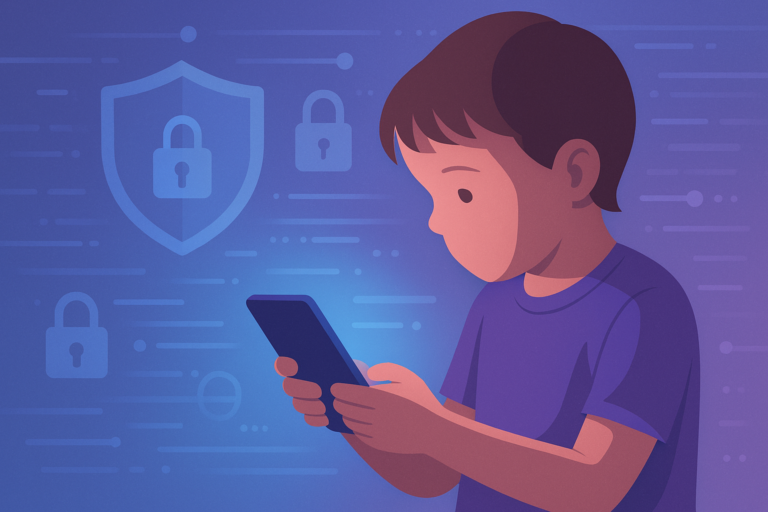
Children, Social Media and Data Protection: What the New UK Focus Means for Organisations
The protection of children’s data is rapidly becoming one of the most important areas of data protection in the UK.
With growing political, regulatory, and public attention on how children interact with social media platforms, organisations can expect increased scrutiny, stricter expectations, and higher risk exposure.
For businesses operating in technology, education, gaming, retail, or any sector that touches younger users, this is no longer a niche concern. It is a core compliance and reputational issue.
This blog explores the evolving UK focus on children and social media, and the key data protection considerations organisations must address now.
Why Children’s Data Is Under the Spotlight
Children are recognised under UK GDPR as a vulnerable group that requires enhanced protection.
This is for three main reasons:
- Children may not fully understand how their personal data is used
- They are more susceptible to profiling, influence, and manipulation
- Digital platforms increasingly rely on behavioural data, tracking, and engagement algorithms
At the same time, children are among the most active users of social media and online services.
As a result, regulators are concerned about:
- Excessive data collection
- Targeted advertising and profiling
- Exposure to harmful or age-inappropriate content
- Lack of transparency in how platforms operate
This has driven a stronger regulatory focus on ensuring that organisations design services with children’s privacy in mind.
The UK Regulatory Direction
The UK already has one of the most developed frameworks for protecting children online through the Age Appropriate Design Code.
However, recent developments signal a broader shift.
There is increasing expectation that organisations must:
- Proactively identify whether children are using their services
- Design products with children’s best interests as a primary consideration
- Limit data collection and processing to what is necessary
- Provide clear and accessible privacy information
Alongside this, wider reforms to UK data protection law and online safety initiatives are reinforcing the same message.
Children’s data protection is no longer just about compliance. It is about accountability and ethical design.
Data Protection Challenges in Social Media
Social media platforms and similar digital services present specific risks when it comes to children’s data.
- Profiling and Behavioural Advertising
Many platforms rely on tracking user activity to:
- Build profiles
- Deliver targeted content
- Optimise engagement
For children, this creates significant concerns around:
- Transparency
- Fairness
- Potential manipulation
Under UK data protection law, profiling children for marketing purposes is highly restricted and must be carefully justified.
- Default Settings and Data Visibility
Children are often unaware of the implications of data sharing.
Risks include:
- Public profiles exposing personal information
- Location sharing features
- Uncontrolled access to user-generated content
Regulators expect organisations to apply the principle of privacy by default, ensuring that:
- Settings are high privacy by default
- Data is not publicly accessible without clear user action
- Risks are minimised from the outset
- Age Verification and Age Assurance
One of the biggest challenges is determining whether a user is a child.
Organisations must balance:
- Accuracy in identifying age
- Minimising data collection
- Avoiding intrusive verification processes
Failure to correctly identify users can result in:
- Children being treated as adults
- Inappropriate data processing
- Regulatory non-compliance
This is becoming an increasing focus area for enforcement.
- Transparency and Communication
Privacy information aimed at adults is often too complex for children.
Organisations must ensure that:
- Information is clear and accessible
- Language is appropriate for the age group
- Key risks and uses of data are explained plainly
This requires a shift away from traditional privacy notices towards more user-centric communication.
Key Data Protection Considerations for Organisations
To align with UK expectations, organisations should focus on the following areas.
- Identify Whether Children Use Your Services
You must understand your user base.
This includes:
- Analysing user demographics
- Assessing likelihood of child access
- Considering indirect use through shared devices or accounts
If children are likely to access your service, enhanced protections must apply.
- Apply Privacy by Design
Services should be built with children in mind from the start.
This includes:
- Limiting data collection
- Avoiding unnecessary tracking
- Embedding safeguards in product design
Privacy cannot be retrofitted.
- Restrict Data Collection and Use
Only collect data that is necessary for the service.
Avoid:
- Extensive tracking
- Behavioural profiling
- Use of data for secondary purposes
Where data is used, there must be a clear lawful basis and justification.
- Strengthen Default Settings
Default settings should be:
- Private
- Safe
- Protective of the child’s identity and activity
Users should actively opt in to sharing data, rather than opting out.
- Conduct Data Protection Impact Assessments
If your service involves children, a DPIA is essential.
This should assess:
- Risks to children’s rights and freedoms
- Potential harm from data use
- Safeguards required
DPIAs should be reviewed regularly as services evolve.
- Review Third-Party and Advertising Relationships
If third parties are involved, such as:
- Advertising networks
- Analytics providers
- Social plugins
You must ensure that:
- They meet children’s data protection standards
- Contracts clearly define responsibilities
- Data sharing is limited and controlled
Third-party risk is a major exposure area.
The Risk of Non-Compliance
Failure to properly protect children’s data can lead to significant consequences:
- Regulatory investigations and fines
- Reputational damage
- Loss of user trust
- Restrictions on service operation
Beyond compliance, organisations risk being seen as failing to protect vulnerable users.
This is increasingly unacceptable in the current regulatory climate.
Conclusion: A Shift Towards Responsible Digital Design
The UK is moving towards a model where protecting children online is a shared responsibility across organisations.
This means:
- Understanding how children use your services
- Embedding privacy into design and operations
- Taking proactive steps to minimise risk
Children’s data protection is not just a legal obligation. It is a fundamental part of building trust in digital services.
Organisations that act early will not only reduce risk but also position themselves as responsible and trustworthy providers in an increasingly scrutinised environment.

Governance Risk & Compliance Hub LIMITED
© 2026 All rights reserved
- Award Winning consultancy
- Email: hello@grc-hub.co.uk
- Phone: +44 (0) 113 532 7830